
•Emilia-Romagna: Pasta Lunga, Pasta Ripiena, Tigelle, Crescentine and other regional dishes•
• Handmade on site, every day since 2022 •
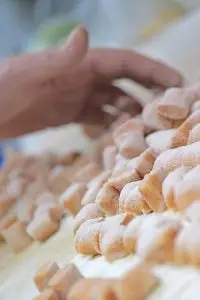
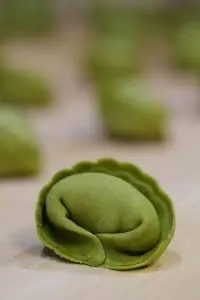
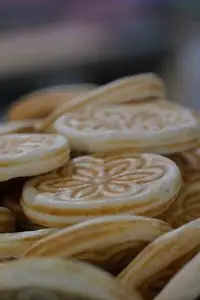
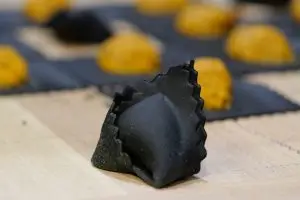

Emilia-Romagna tradition, shaped by hand
• Regional Italian Cuisine •
YOUR MONDAY TABLE IS WAITING 🇮🇹
If you`ve never tried passatelli, perhaps this Monday is a good opportunity. And if you already know them, we`d love to welcome you back for another interpretation of this Emilia-Romagna favourite. Join us for lunch or dinner and enjoy our Passatelli Asciutti with asparagus cream and crispy smoked speck. You can book your table online, and if we happen to be fully booked, you`re welcome to join our standby list. We`ll contact you if a table becomes available, either indoors or outdoors, weather permitting. We look forward to seeing you around our little tables in Nundah!
#RustichellaPastaBar #MondayLunch #MondayDinner #MondayPasta #Passatelli #PassatelliAsciutti #AsparagusCream #SmokedSpeck #EmiliaRomagna #ItalianFood #ItalianCuisine #FreshPasta #PastaLovers #BrisbaneFood #BrisbaneFoodies #BrisbaneRestaurants #Nundah #NundahVillage #BrisbaneNorthside #BrisbaneDining #ItalianRestaurant #PastaBar #BookOnline #RestaurantBookings #BrisbaneEats #FoodBrisbane #RegionalItalianFood #DiscoverNundah
Oct 11


A LITTLE PIECE OF OUR HOME IN NUNDAH
At Rustichella, we enjoy introducing Brisbane to the many pasta traditions of Emilia-Romagna, including those that may be less familiar outside Italy. Passatelli are a particularly good example. They look different, feel different and have a character entirely their own. Our asparagus and smoked speck version is one more way of sharing the food we grew up knowing, right here in Nundah Village.
#RustichellaPastaBar #NundahVillage #Nundah #BrisbaneNorthside #Passatelli #PassatelliAsciutti #EmiliaRomagna #ItalianFood #ItalianCuisine #RegionalItalianFood #BrisbaneFood #BrisbaneFoodies #BrisbaneRestaurants #BrisbaneDining #ItalianRestaurant #PastaBar #FreshPasta #HandmadePasta #ItalianTraditions #FoodBrisbane #BrisbaneEats #LocalRestaurants #SupportLocalRestaurants #DiscoverNundah #PastaLovers #ItalianFoodLovers #TasteOfEmiliaRomagna #BrisbaneItalianFood
Oct 11

THE FOOD CULTURE OF EMILIA-ROMAGNA
Emilia-Romagna is home to some of Italy`s most celebrated culinary traditions, from tortellini and tagliatelle to Parmigiano Reggiano and traditional filled pasta. Yet its food culture extends well beyond the famous dishes. Passatelli are a reminder that some of the region`s most interesting recipes began in ordinary family kitchens, shaped by resourcefulness, local ingredients and the pleasure of sharing a meal.
#EmiliaRomagna #Bologna #Romagna #ItalianFoodCulture #ItalianFoodHistory #ItalianCuisine #RegionalItalianFood #Passatelli #Tortellini #Tagliatelle #ParmigianoReggiano #ItalianTraditions #CucinaItaliana #ItalianHeritage #ItalianPasta #PastaLovers #RustichellaPastaBar #BrisbaneItalianRestaurant #BrisbaneFoodies #BrisbaneFood #Nundah #NundahVillage #BrisbaneRestaurants #FoodBrisbane #BrisbaneDining #TasteOfItaly #TraditionalItalianFood #ItalianFoodAustralia
Oct 11

A LITTLE SMOKE, A LITTLE CRUNCH
Speck is a traditional cured pork speciality associated particularly with South Tyrol in northern Italy. Lightly smoked and air-dried, it brings a distinctive balance of savouriness, aroma and gentle smokiness. We serve it in crispy strips, adding a contrasting texture to the softness of the passatelli and the smooth asparagus cream. Three different elements, each with its own role on the plate.
#Speck #SmokedSpeck #ItalianSpeck #Passatelli #PassatelliAsciutti #ItalianCuredMeats #SouthTyrol #ItalianFood #ItalianCuisine #NorthernItalianCuisine #Asparagus #PastaLovers #RegionalItalianFood #ItalianIngredients #RustichellaPastaBar #BrisbaneFood #BrisbaneFoodies #BrisbaneRestaurants #Nundah #NundahVillage #BrisbaneDining #ItalianRestaurant #PastaSpecial #FoodBrisbane #BrisbaneEats #ItalianFoodCulture #SeasonalCooking #TasteOfItaly
Oct 11

THE BEAUTY OF ASPARAGUS
Asparagus has a long place in Italian seasonal cooking, particularly in northern Italy, where its arrival in spring is eagerly anticipated. Its delicate, slightly grassy flavour works beautifully with the richness of passatelli. For our Monday dish, we turn asparagus into a smooth cream that gently coats each strand without overwhelming its distinctive texture and character.
#Asparagus #AsparagusCream #Passatelli #PassatelliAsciutti #SeasonalIngredients #SeasonalCooking #ItalianVegetables #ItalianCuisine #ItalianFood #EmiliaRomagna #NorthernItalianFood #ItalianPasta #PastaLovers #RustichellaPastaBar #FreshIngredients #RegionalItalianFood #BrisbaneFood #BrisbaneFoodies #BrisbaneRestaurants #Nundah #NundahVillage #BrisbaneDining #ItalianRestaurant #FoodBrisbane #BrisbaneEats #PastaSpecial #MondaySpecial #ItalianFoodLovers
Oct 11

FROM BROTH TO THE PLATE
For generations, passatelli were most commonly served in brodo, immersed in a rich, comforting meat broth, particularly during family gatherings and festive occasions. The asciutti version takes them out of the broth and brings them onto the plate, where they can be paired with seasonal vegetables, seafood, mushrooms or other regional ingredients. The tradition remains, while the possibilities become wonderfully varied.
#PassatelliAsciutti #PassatelliInBrodo #Passatelli #EmiliaRomagna #Romagna #ItalianTraditions #ItalianFood #ItalianCuisine #RegionalItalianFood #ItalianPasta #PastaLovers #ItalianComfortFood #SeasonalCooking #ItalianFoodCulture #RustichellaPastaBar #BrisbaneFoodies #BrisbaneFood #BrisbaneDining #Nundah #NundahVillage #BrisbaneRestaurants #PastaBar #ItalianRestaurant #TraditionalItalianFood #BrisbaneEats #FoodBrisbane #TasteOfItaly #HandmadePasta
Oct 11

WHY ARE THEY CALLED PASSATELLI?
The name comes from the Italian verb passare, meaning `to pass through`. The dough is traditionally pressed through a special metal tool called a ferro per passatelli, creating short, thick strands with a distinctive rough surface. Unlike conventional pasta, passatelli contain breadcrumbs and cheese rather than being made primarily from flour. Their tender texture makes them particularly good at carrying the flavours of whatever accompanies them.
#Passatelli #FerroPerPassatelli #ItalianPasta #PastaMaking #PastaTradition #EmiliaRomagna #RomagnaFood #ItalianCuisine #ItalianFoodCulture #TraditionalPasta #HandmadeFood #PastaArt #ItalianCooking #RustichellaPastaBar #FreshPasta #BrisbaneFood #BrisbaneFoodies #Nundah #NundahVillage #BrisbaneRestaurants #RegionalItalianFood #ItalianHeritage #PastaLovers #FoodEducation #ItalianRecipes #MadeWithLove #BrisbaneNorthside #ItalianFoodAustralia
Oct 11

Passatelli tell a wonderful story of Italian home cooking. Traditionally made with breadcrumbs, Parmigiano Reggiano, eggs and a little nutmeg, they belong to a time when nothing in the kitchen was wasted. What began as a clever way of using leftover bread became one of Emilia-Romagna`s most recognisable regional dishes. A little ingenuity, a few good ingredients and generations of family tradition.
#Passatelli #PassatelliRomagnoli #EmiliaRomagna #Romagna #ItalianFoodHistory #ItalianTraditions #CucinaItaliana #CucinaPovera #ItalianHeritage #RegionalItalianCuisine #ParmigianoReggiano #ItalianPasta #PastaTraditions #FoodCulture #ItalianCooking #RustichellaPastaBar #BrisbaneItalianFood #NundahVillage #BrisbaneFoodies #BrisbaneDining #ItalianFoodLovers #TraditionalRecipes #ItalianKitchen #FoodStories #MadeFromScratch #PastaLovers #BrisbaneRestaurants #TasteOfItaly
Oct 11

Our Passatelli Asciutti are served with a silky asparagus cream and finished with crispy strips of smoked speck. Delicate, savoury and full of the flavours of Emilia-Romagna. Join us this Monday for lunch or dinner at Rustichella Pasta Bar in Nundah Village. Book online, or if we happen to be fully booked, join our standby list in case a table becomes available, indoors or outdoors, weather permitting.
#RustichellaPastaBar #Passatelli #PassatelliAsciutti #EmiliaRomagna #ItalianFood #ItalianCuisine #FreshPasta #HandmadePasta #PastaLovers #BrisbaneFood #BrisbaneFoodies #BrisbaneRestaurants #Nundah #NundahVillage #BrisbaneNorthside #MondayLunch #MondayDinner #Asparagus #Speck #RegionalItalianFood #TraditionalItalianFood #FoodBrisbane #EatBrisbane #BrisbaneDining #ItalianRestaurant #PastaBar #DiscoverNundah #BrisbaneEats
Oct 11

Meet your next pasta obsession. Our Zuccotti are purple potato-infused cappellacci filled with roasted pumpkin, covered in creamy Taleggio and finished with toasted hazelnuts. Handmade, colourful and ready to be devoured.
#Zuccotti #PastaObsession #MeetTheZuccotti #MustTryPasta #PastaCravings #FreshPastaFix #PumpkinCravings #PurplePotatoLove #TaleggioLovers #HazelnutSeason #RichAndCreamy #VegetarianDish #VegetarianItalian #MeatFreeDining #PastaNight #ItalianDinner #LunchSpecial #DinnerSpecial #BrisbaneMustEat #BrisbaneFoodDestinations #BrisbaneFoodSpot #BrisbaneNorth #NundahQLD #NundahVillageBrisbane #ShopLocalBrisbane #SupportSmallBusiness #BookNow #RustichellaBrisbane
Oct 7

Purple outside, golden at heart. The Zuccotti bring together earthy purple potato, sweet roasted pumpkin, creamy Taleggio and toasted hazelnuts in one handmade cappellaccio. Come and discover what’s inside.
#Zuccotti #PurpleOutside #GoldenAtHeart #DiscoverWhatsInside #PotatoInfusedPasta #PumpkinHeart #CheesyPasta #HazelnutLovers #HandFoldedPasta #HandmadeInBrisbane #FreshlyMade #MadeOnSite #KitchenCraft #ItalianFoodCulture #EmilianTradition #BolognaFood #FerraraFood #BrisbaneItalianFood #BrisbaneRestaurant #BrisbaneSmallBusiness #NundahBrisbane #NundahFoodies #NundahVillagePrecinct #NorthsideEats #QueenslandFood #AustralianFoodScene #ComeHungry #TasteTheDifference
Oct 7

Some pasta whispers. The Zuccotti make an entrance. Their deep purple pasta reveals a soft roasted-pumpkin filling, while Taleggio cream and toasted hazelnuts make every mouthful richer.
#Zuccotti #MakeAnEntrance #StatementPasta #DeepPurplePasta #PumpkinCentre #TaleggioLove #HazelnutFinish #BeautifulFood #EatWithYourEyes #PastaPerfection #FreshEggPasta #CappellacciDiZucca #ItalianSpeciality #RegionalPasta #FoodExperience #DinnerExperience #BrisbaneFoodExperience #BrisbaneDateNight #DateNightBrisbane #DinnerPlans #FridayDinner #WeeknightDinner #NundahTonight #NundahVillageDining #IndependentRestaurant #LocalHospitality #TasteBrisbane #ReserveYourTable
Oct 7
